2026 · personal

Auth Core

Shared authentication core for my own suite of SaaS products: multi-tenant users, organizations, permissions and subscriptions. In development.
GoPostgreSQLRedis / ValkeygRPC

2026 · personal · Author

Auth Core

GoPostgreSQLRedis / ValkeygRPCChiDocker

Problem. Every SaaS product needs the same things: sign-up, login, organizations, roles and subscriptions. Building them again in each product is slow and risky; Auth Core builds them once and every product shares them.

Approach. A modular monolith in Go with two binaries, REST for browsers and apps and gRPC for internal services, and dependencies in one direction: infrastructure → application → domain. PostgreSQL with sqlc and SQL migrations; Valkey for sessions, rate limiting and a shared permission cache that only Auth Core writes, with a short TTL as the worst-case bound. 10-minute JWTs with a rotating refresh token and reuse detection, and Argon2id password hashing limited by a semaphore to bound memory and CPU. Every decision is recorded as an ADR.

Status. Registration, activation and code resend already work over REST, with integration tests against real containers (testcontainers). The design target is 1,000 requests per second on a 2 vCPU, 4 GB VPS, with p95 under 200 ms for REST and under 50 ms for gRPC. Private repository.

2026 · test

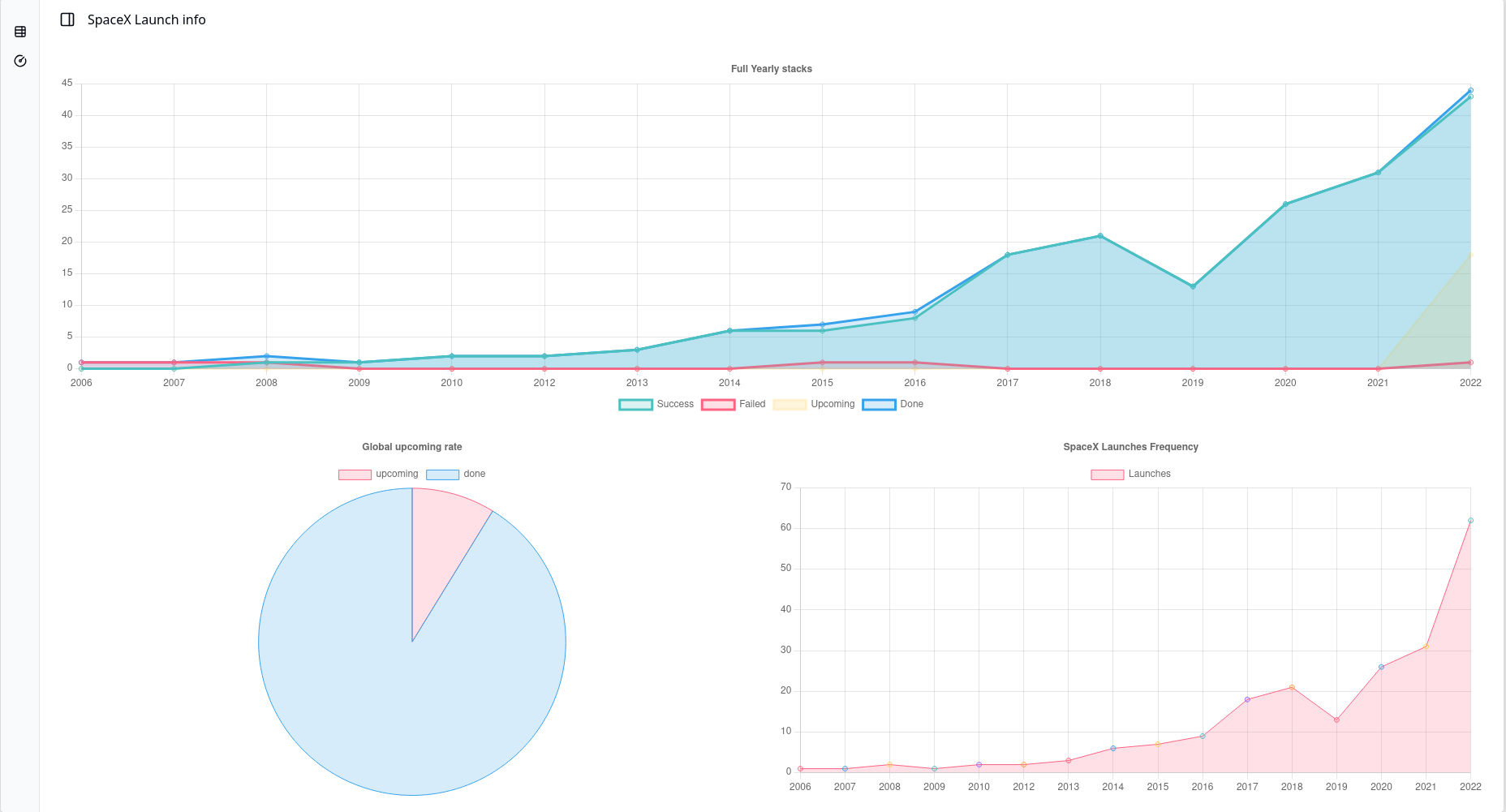
efRouting technical test

SpaceX launch visualizer built with Go and Next.js, hexagonal architecture and 100% infrastructure as code.

GoNext.jsTypeScriptPython

2026 · test · Backend developer

efRouting technical test

GoNext.jsTypeScriptPythonAWS CDKDynamoDB

Problem. Visualize SpaceX data through a fast, scalable and reproducible cloud solution.

Approach. A Go service organised with hexagonal principles, an automated Python ETL feeding DynamoDB, ECS Fargate microservices and the entire infrastructure defined with AWS CDK.

Why it matters. It shows end-to-end ownership: domain design, data pipeline, deployment and a typed Next.js client.

2026 · personal

janzsh.com

This portfolio: a bilingual static site with Astro and Preact islands, Zod-validated content and automated test, accessibility and performance checks on every pull request.

AstroTypeScriptPreactSCSS

2026 · personal · Author

janzsh.com

AstroTypeScriptPreactSCSSZodVitest

Problem. A portfolio in two languages that loads fast, is accessible and can change without fear of breaking it.

Approach. Static HTML by default and Preact islands only where there is interaction. Content lives in Zod-validated collections and UI strings in typed dictionaries: a missing translation does not compile. Styles in SCSS with BEM and light and dark theme tokens. Logic is built test-first with Vitest, and the contact form validates on the server and rate-limits submissions.

Result. Lighthouse 100 in all four categories on mobile and desktop, no axe-core violations and more than 190 tests. CI repeats those checks on every pull request. I built it with AI assistance (Claude Code), following the conventions documented in the repository.

2025 · personal

Neovim dotfiles

A lean, Lua-based Neovim setup built to free RAM for the services I actually run, without giving up a complete development workflow.

LuaNeovimLSPTreesitter

2025 · personal · Author

Neovim dotfiles

LuaNeovimLSPTreesitter

Problem. Heavy IDEs competed with local microservices for memory.

Approach. A modular, keyboard-driven configuration with tuned LSP and Treesitter so Angular templates and embedded CSS still get proper IntelliSense.

Result. A noticeably lighter editor and a deeper understanding of the frameworks I use every day.